Engine Repairs: When to Get Professional Help vs. DIY
Engine Repairs: When to Get Professional Help vs. DIY
Blog Article
The functionality and durability of vehicles largely depend on engine parts. As a car's engine ages, issues may arise, necessitating repairs or even a complete replacement. Familiarizing oneself with the different components of an engine enables vehicle owners to navigate engine-related problems with greater confidence. Whether you're looking up local shops for engine rebuilds or trying to estimate engine replacement costs, understanding the specifics of engine parts is crucial. To improve your vehicle's performance and extend its operational life, investigating options for rebuilding or replacing engine components is of utmost importance. For comprehensive insights, consider researching the engine parts and services offered in your vicinity read more. Grasping the complexities involved in engine repair and replacement requires a solid knowledge of engine parts and their respective functions. An engine consists of numerous components, each serving distinct roles. Key parts include the cylinder block, pistons, crankshaft, camshaft, and valves. The cylinder block serves as the main structure housing the cylinders, where the crucial process of blending air and fuel occurs for combustion. Within these cylinders, pistons engage in an up-and-down motion, effectively converting combustion energy into mechanical motion. Additionally, the crankshaft plays a vital role by converting the pistons' vertical movement into the rotational force that powers the vehicle. On the other hand, the camshaft is responsible for managing the precise timing of the opening and closing of the engine's valves. Gaining a comprehensive understanding of these components is essential in identifying when repairs are necessary, as well as deciding whether to pursue a nearby motor rebuild. The proper operation of these engine parts guarantees optimal engine performance, and any issues can significantly reduce efficiency or even result in total engine failure. For those contemplating engine repairs, the selection of high-quality parts cannot be overstated. Quality components not only ensure optimal performance but also enhance the longevity of the engine. While aftermarket parts are available, it is crucial to note that not all of them align with original equipment manufacturer (OEM) standards. Choosing OEM parts can enhance compatibility and reliability, mitigating the risk of early malfunctions. Reputable repair shops that rebuild engines locally frequently stress the necessity of using high-grade parts to maintain overall vehicle efficiency and functionality. Although investing in high-quality parts may come with a higher upfront cost, the long-term gains often justify the initial expense. Vehicle owners are encouraged to contemplate their choices between locally available used engines and new parts to make informed decisions. When it comes to maintaining your vehicle's performance, selecting an appropriate provider for engine parts and installation is essential. Begin by performing in-depth research into local engine repair shops, focusing on their customer ratings and overall reputation. The quality of service and trustworthiness are critical factors to consider when choosing a mechanic or an engine builder nearby. Furthermore, experience and relevant certifications play an important role in your choice. A trustworthy engine shop should employ certified technicians who specialize in tasks related to engine repair and replacement. They should also provide warranties for their services, as this reflects their confidence in the quality of their work. Furthermore, discussing the costs associated with engine replacements at the outset can help prevent unexpected charges down the line. It's wise to gather estimates from several different providers, ensuring you receive a competitive price for the service you require. When it comes to the cost of replacing an engine, many factors can contribute to the overall price. These include the vehicle's make and model, the type of engine involved, and the cost of labor in your local area. Typically, the car engine replacement cost can range significantly, from a few thousand dollars to well over ten thousand, dependent on whether you select a used, rebuilt, or brand-new engine. While you’re evaluating engine repairs, it’s essential to include both labor and parts in your calculations, as the labor costs tied to replacing or rebuilding an engine tend to have a considerable effect on the total expense. Additionally, it’s beneficial to have a conversation with your preferred mechanic about the different choices available for engine parts, whether you decide on a complete rebuild or just a partial replacement. Knowing these options can aid in managing your finances and the overall efficiency of your vehicle. When you reach out to engine builders within your locality, make sure to ask about warranty options to ensure that your investment is protected. If you're interested in more comprehensive details on engine parts and their varieties, the Wikipedia entry on engines serves as an excellent resource, providing an extensive discussion on various engine types and their components. Engine parts are the components that make up an internal combustion engine, including the cylinder block, pistons, crankshafts, camshafts, and valves, all of which work together for optimal engine function. To choose a reliable engine parts provider, research local options, compare prices, assess their reputations through reviews, and consult about their warranty policies. The cost of engine parts varies widely, influenced by vehicle type and the specific components needed. Generally, costs can range from a few hundred to several thousand dollars, depending on repairs or replacement.Understanding Engine Parts
The Importance of Quality Engine Parts
Choosing the Right Engine Repair or Replacement Services
Engine Replacement Costs and Considerations
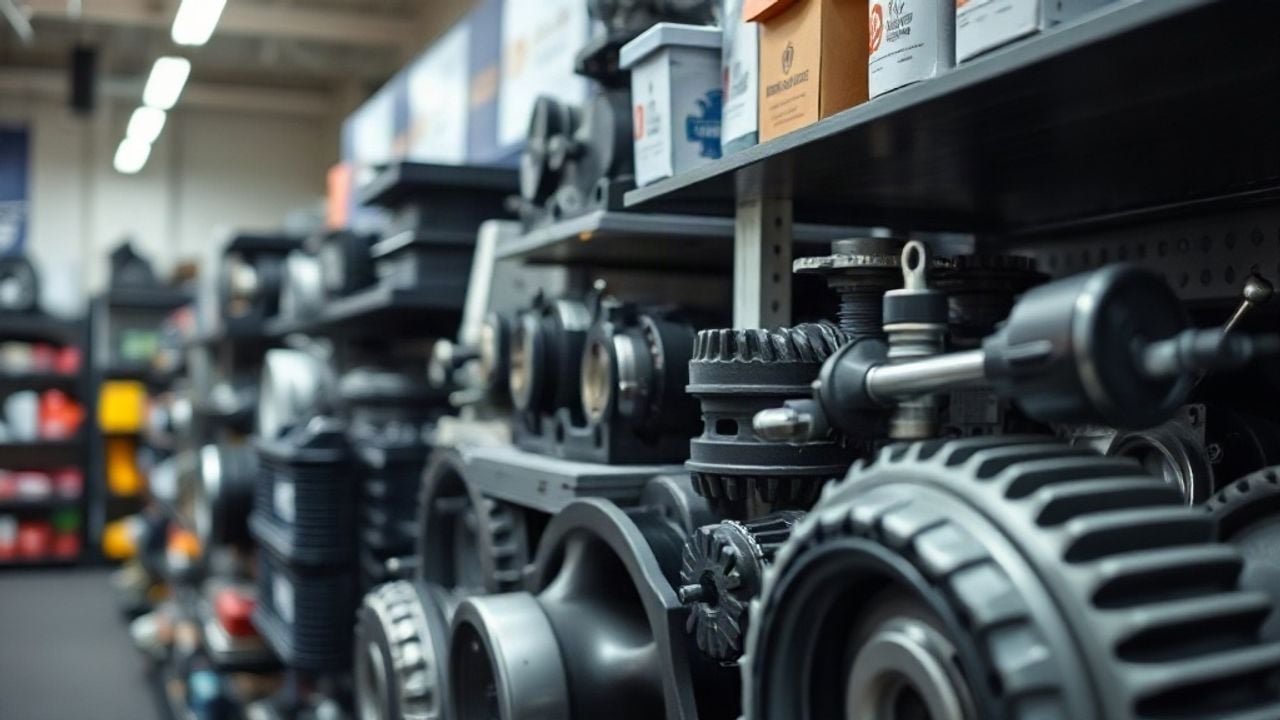 engines for saleengine replacement cost
 Frequently asked questions
What are engine parts?
How do I choose an engine parts provider?
How much does engine parts cost?
Engine parts
Tips for Engine Part Maintenance
Regular maintenance can significantly prolong the life of your engine. Ensure you're engaging in preventative measures to avoid costly repairs or replacements.
- Stay on schedule with oil changes to keep engine components lubricated.
- Monitor coolant levels regularly to prevent overheating in the engine.
- Replace air filters to ensure optimal airflow and engine efficiency.
- Comprised belts and hoses need timely replacement to prevent leakage and failures.
- Regularly check the battery's condition as a functional starter engine is vital for firing up the vehicle.
Understanding engine parts is essential for every vehicle owner. Familiarizing yourself with the components, knowing when to seek repair or replacement, and choosing the right provider can save money and ensure a safer driving experience.
By taking proactive steps in maintaining and understanding your engine, you can enhance vehicle performance, increase longevity, and reduce unexpected costs in the future. Make informed choices about your engine parts today.